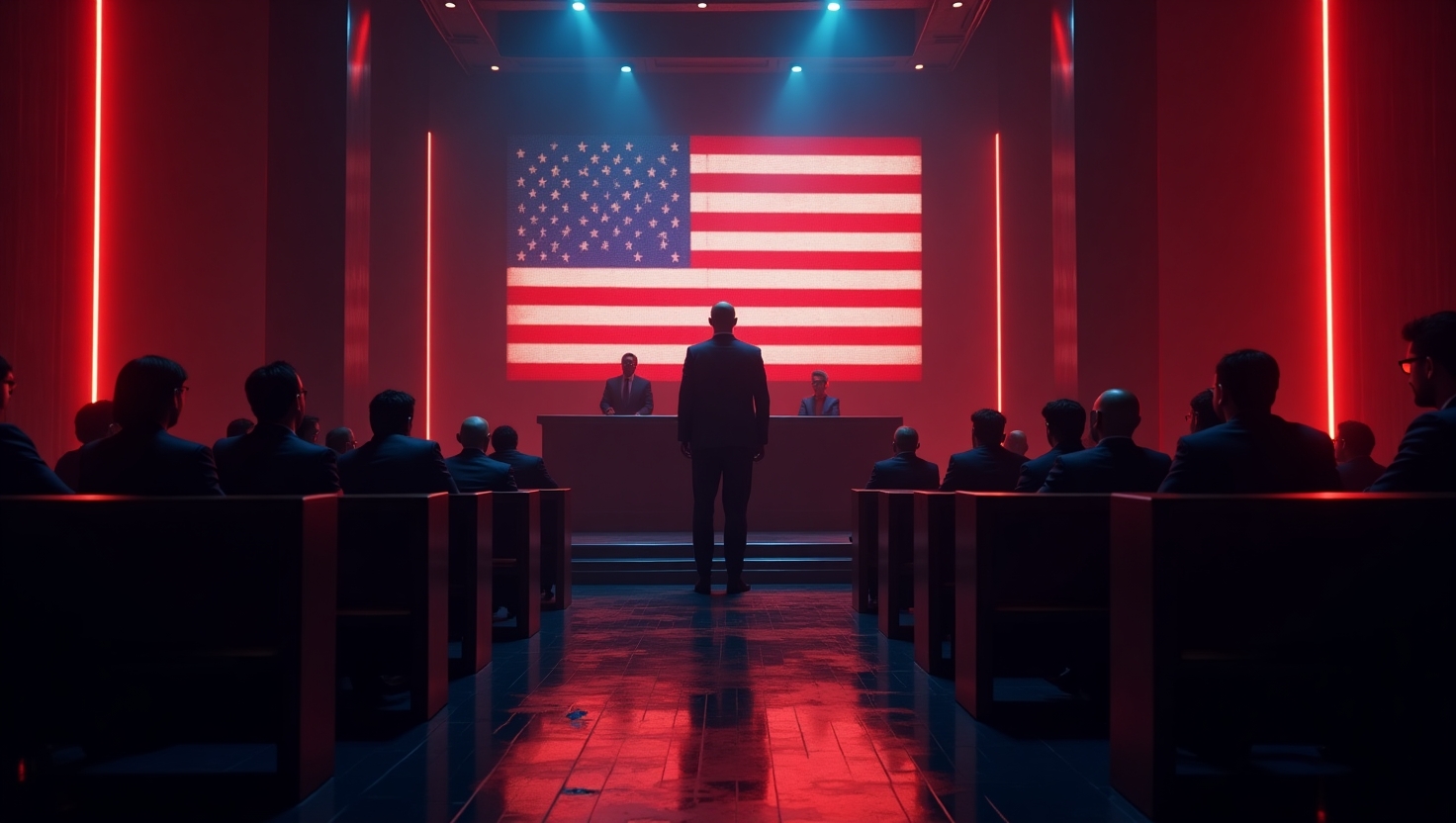
Murder victim speaks from grave in courtroom via AI
Chris Pelkey was shot and killed in a road rage incident. At the sentencing of his murderer, he forgave him through AI.
For the first time in Arizona, and possibly the United States, artificial intelligence was used in court to allow a murder victim to make their own victim impact statement.
What happened
pelkey, a 37 year old army veteranwas shot to death at a red light in 2021. This month, a realistic AI version of him appeared in court to address his killer. Gabriel Horcasitas.
“In another life, we probably could have been friends,” AI Pelkey said in the video. “I believe in forgiveness and in a God who forgives.”
Pelkey’s family recreated it using artificial intelligence trained on videos, images and personal voice recordings. His sister, Stacey Wales, wrote the statement he “delivered.”
“I have to let him talk,” she told AZFamily. “Everyone who knew him said he captured their spirit.”
This marks the first known use of AI for a victim impact statement in Arizona, and possibly the entire country, raising pressing questions about ethics and authenticity in the courtroom.
Judge Todd Lang praised the effort and said it reflected genuine forgiveness. He sentenced Horcasitas to 10.5 years in prison, exceeding the State’s request.
The legal gray area
It is unclear whether the family needed special permission to show the AI video. Experts say courts will now have to grapple with how that technology fits into due process.
“The value outweighed the detrimental effect in this case,” said Gary Marchant, a law professor at Arizona State. “But how do you draw the line in future cases?”
Arizona courts are already experimenting with AI, for example summarizing Supreme Court rulings. Now, that same technology is entering emotional and high-risk processes.
He US Judicial Conference is reviewing the use of AI in trials, with the aim of regulating how AI-generated evidence is evaluated.
AI gave a voice to the murder victim and allowed the legal system to glimpse its own future. Now the question is: should it become standard or remain a rare exception?
Would you trust AI to speak for someone you love?













Post Comment