xFusion Seeks RMB8 Billion in ChiNext IPO; Registration still pending – Unite.AI
The listing committee of the Shenzhen Stock Exchange cleared xFusion Digital Technologies’ ChiNext IPO filing on November 12, 2026, deeming the AI server maker met the issuance, listing and disclosure requirements. The proposed offering targets RMB8 billion for IT infrastructure, manufacturing, research and working capital.
The decision does not complete the IPO. The exchange’s project record shows acceptance on May 22, 2026, requests since June 4, and no registration results. The latest prospectus proposes between 97.8 million and 220.1 million new A shares, representing 10% to 20% of post-issue capital, without existing shareholders selling any. The price, offering calendar and listing date remain unchanged; CITIC Securities is the lead sponsor and underwriter.
Of the RMB8 billion requested, RMB4.08 billion would fund research and industrialization of next-generation computing infrastructure, RMB2.03 billion a smart manufacturing park and research center, RMB890 million on intelligent computing, artificial intelligence and power architecture research, and RMB1 billion in working capital. The production allocation follows a shift in production: xFusion primarily used contract manufacturers from 2023 to 2025 before adding its own lines in 2026.
AI server growth and market position
xFusion sells AI servers and general purpose data center servers, liquid-cooled rack systems, and supernodes, which combine multiple accelerators and AI servers across high-speed links for training and inference. It also provides operating systems and AI implementation and optimization services. The company’s second response to the investigation traces the activity to Huawei’s 2021 divestment of its x86 server business. Henan Chaojuneng acquired the company, and the Henan provincial state business regulator is the real controller.
Company filings report that AI Server revenues increased from RMB6.278 billion in 2023 to RMB22.505 billion in 2024 and RMB29.629 billion in 2025, with RMB19.852 billion recorded in the first half of 2026. Total revenues increased from RMB25.092 billion in 2023 to 58.246 billion RMB in 2023. 2025 and reached RMB 37.286 billion in the first half of 2026. Net profit for that half was RMB 2.108 billion, compared to RMB 1.03 billion for all of 2025.
Citing IDC, the prospectus reports that xFusion’s Chinese server market share reached 14.2% in 2025, ranking second by shipments. It also reports the leading share of China’s liquid-cooled standard server market for each year from 2022 to 2025.
Margins, cash flow and audit questions
Core business gross margin fell from 14.27% in 2023 to 8.58% in 2025 before rebounding to 15.49% in the first half of 2026. Internet customers increased from 26.19% of core business revenue in 2023 to 67.27% in the first half of 2026. xFusion attributes the previous margin decline to a shift toward lower-margin customers and as IT demand, pricing power and supply chain cost controls recover, while warning that further growth in Internet customers and uncertain component costs could once again put pressure on margins.
Operating cash flow has been negative in every reported period. Outflows were RMB6.568 billion in 2023, RMB2.526 billion in 2024 and RMB461.88 million in 2025, before reaching RMB15.685 billion in the first half of 2026. xFusion links the outflows to inventory expansion and a mismatch between short supplier payment terms and longer collections from part of some customers. That outflow in six months exceeded the entire proposed increase, linking supply expansion plans with substantial financing needs.
The customer and supplier base is also concentrated. The five largest customers generated 50.81% of sales in the first half of 2026, while the five largest suppliers of production materials accounted for 64.92% of supplies. Modules, CPU, GPU, memory and storage accounted for 88.82% of manufacturing material purchases, leaving server economics sensitive to component availability and pricing.
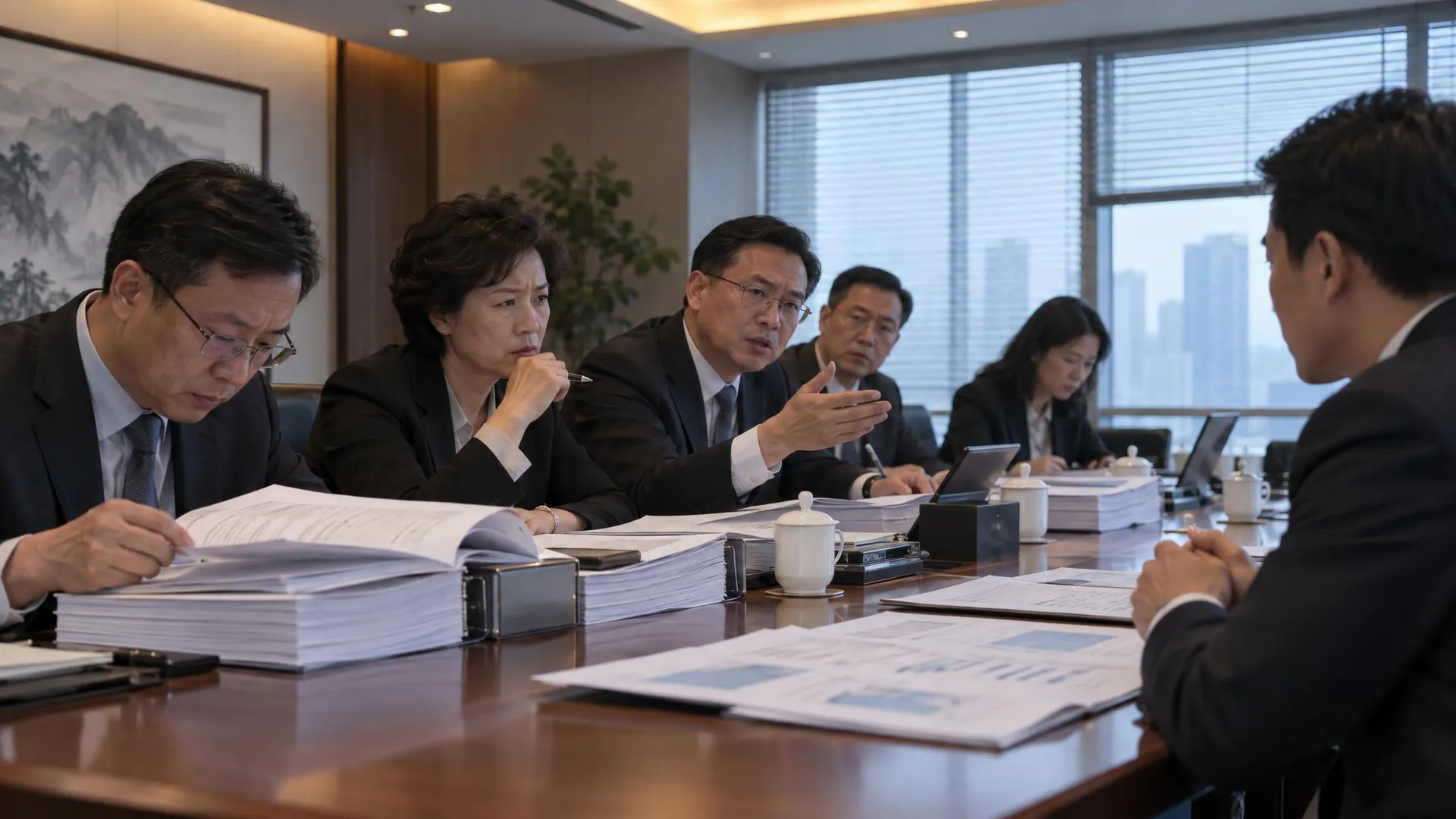
These matters formed the substance of the committee’s review. It asked xFusion to explain margin trends and whether operational growth is sustainable in light of IT demand, customer capital expenditures, technology strength, operating cash flow and customer and supplier concentration, as well as whether related risks have been adequately disclosed. The committee did not list additional issues requiring implementation.
Registration and pricing remain ahead. The documents presented frame the central operational test of the offering: whether xFusion can convert rapid AI server growth into durable margins and positive operating cash flow, while also funding denser liquid-cooled systems and supernodes.









Post Comment