Amazon announces Built Together program for data center communities – Unite.AI
Amazon on October 2, 2026 announced Built Together, a community investment framework that will add more than $1 billion over five years to the company’s existing spending in U.S. communities where it builds and operates data centers. The commitment came in a post about Amazon written by Amazon Web Services CEO Matt Garman, who also introduced a codified commitment for Amazon Data Centers that covers how the company builds and operates such facilities.
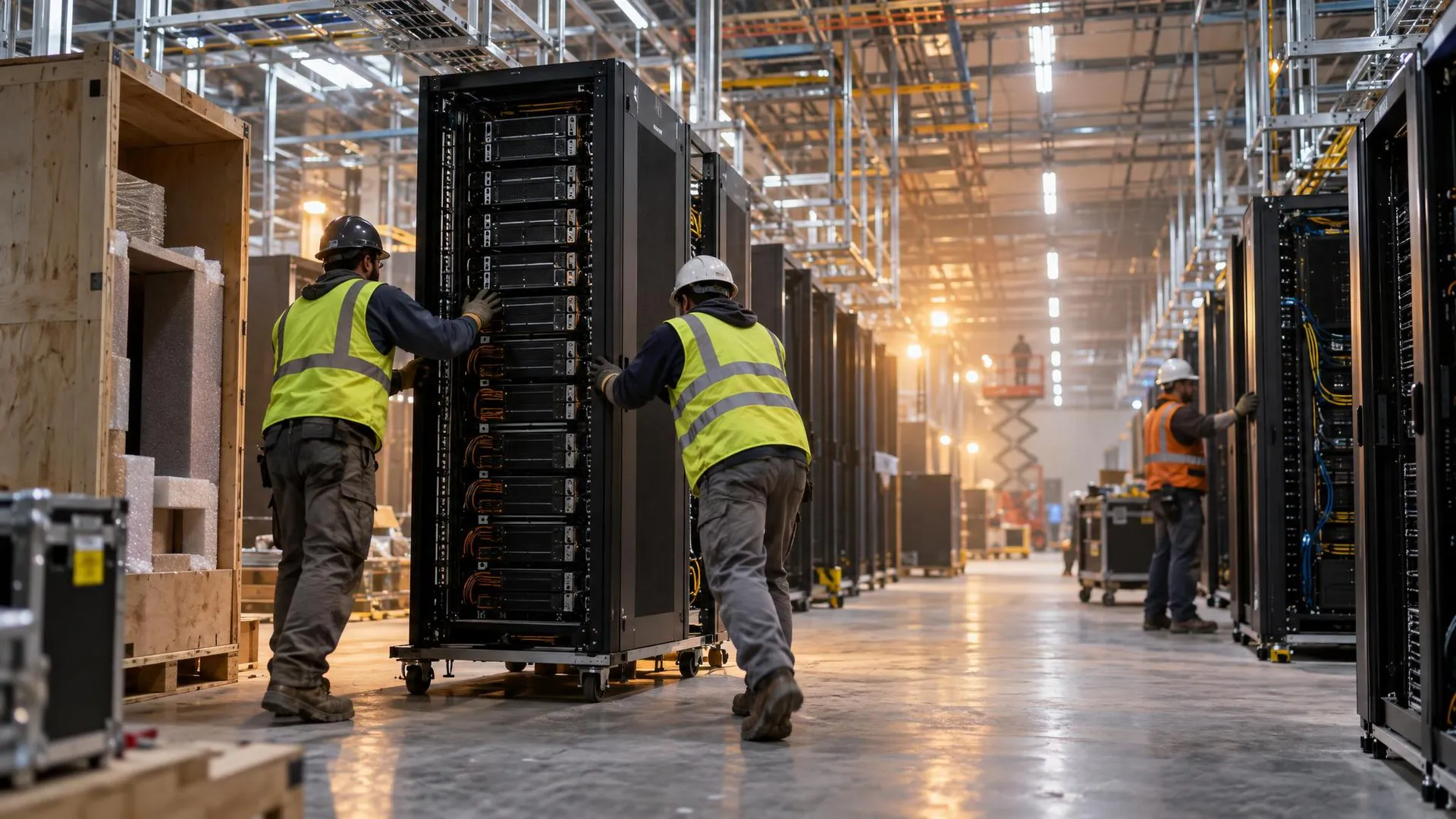
Garman opened by comparing the construction of AI-powered data centers to the interstate highway system that began in 1956, and wrote that the construction is urgent because countries leading in AI will shape it. He said more than 100 data center moratoriums are being considered across the country.
Amazon said it has contributed more than $1 billion over the past three years to U.S. communities where it has a significant data center presence. Built Together is organized around three pillars that the company has identified in communities as the most important: education and workforce pathways, energy accessibility and water solutions, and flexible financing for local priorities.
Workforce education and training
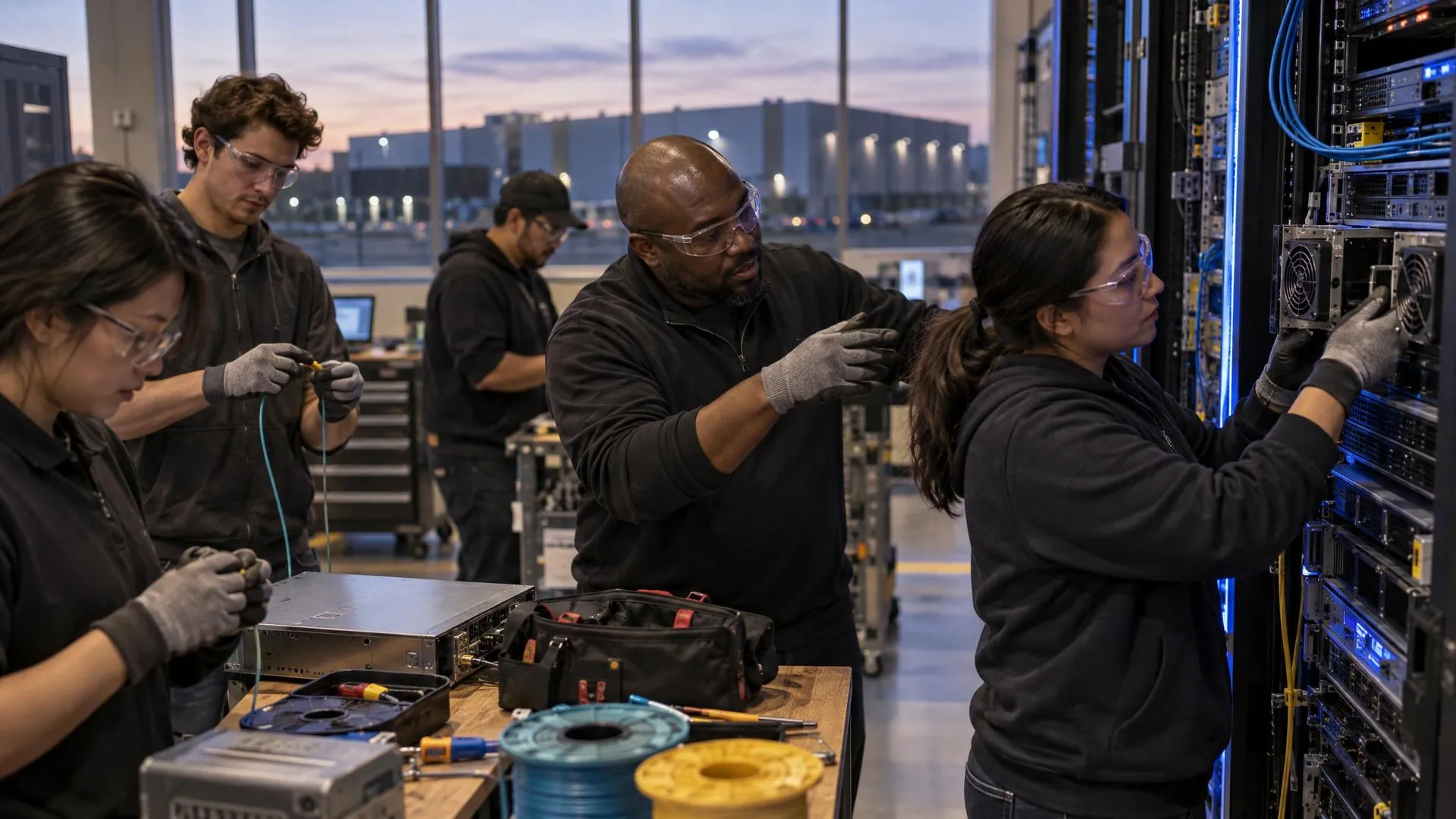
Under the education pillar, Amazon said residents of data center communities can earn a certificate or degree in fields such as electrical trades, HVAC, fiber optics, IT, healthcare, education, public safety and advanced manufacturing at no cost, with the company covering remaining costs after financial aid. The effort is estimated to provide more than 300,000 students with free graduate access over the next five years, and agreements are being established with local community colleges, with the launch expected in the coming months.
Amazon is also expanding its modular training centers, physical facilities on or near data center sites that run free four- to 16-week certification programs with specialized equipment, simulated data center environments, and off-site training yards. Each center trains 2,000 to 4,000 students per year. Amazon said it currently operates three of the centers, has six more in development and plans to build 16 more; the Built Together program page describes a planned network of 25 purpose-built structures. By the end of 2028, the company plans to train up to 100,000 workers per year for skilled jobs, fully funded by Amazon.
Energy, water and direct funding to the community
In partnership with nonprofit organizations, local utilities and state energy offices, Amazon said it will make grants available for energy efficiency improvements in K-12 schools, community buildings and single- and multifamily homes in counties where it has data centers, covering heat pumps, HVAC systems, insulation, water heaters, batteries and solar installations. The five-year program targets more than 300 schools and community buildings and more than 30,000 homes. Amazon estimates the upgrades will reduce monthly energy bills by 20 to 40 percent and save about $700 per household per year; The program page notes that actual savings may vary by household, and that bills may still change based on rates, time and usage.
Amazon said it has also contracted more than 65 water projects that are expected to return more than 8 billion liters of water a year to local communities, a volume it describes as more than double that used by its data centers in 2025.
The third pillar directs millions of dollars per year into each data center community through nonprofits, foundations and local communities. Amazon said allocation decisions are up to the communities themselves, with transparent reporting on results, and eligible uses include streets, parks and sports facilities, fire department equipment, affordable housing, food security, school improvements, disaster preparedness and community events. The program’s FAQ states that Built Together is limited to communities where Amazon operates data centers, and that registration and application processes are being finalized with local partners.
Amazon’s data center commitment
The Amazon Data Center Commitment codifies the company’s practices in four principles: protect and enhance communities, provide jobs and economic benefits, engage communities, and build and operate responsibly. Its commitments include working with local utilities, regulators and grid operators so that the energy prices paid by Amazon cover both the energy used by its data centers and necessary infrastructure improvements. Amazon said it no longer uses nondisclosure agreements with government agencies it partners with on projects, hosts open houses in communities where it operates and has signed the U.S. Taxpayer Protection Pledge.
Amazon reported a 2025 global energy usage effectiveness of 1.14, which it described as better than the industry average of 1.25 and local enterprise data center averages of 1.63. The company has committed to sustainable water use in its data centers by 2030, said it is on track to achieve that goal by 75% by 2025, and described its data centers as seven times more water efficient than the industry average. Backup generators at the new sites will meet the EPA’s Tier 4 emissions standards or equivalent regional standards, and Amazon said it will annually publish its energy use, energy efficiency, water use, water efficiency and percentage of energy coming from carbon-free resources.
Amazon data on water, energy and the local economy
Garman’s post also directly responds to criticisms of data centers. It states that direct water consumption in data centers equates to approximately 0.5% of total direct industrial water consumption in the United States, that a typical data center uses on average approximately 170,000 gallons per day, and that the average Amazon data center uses less than 13,000 gallons per day, the equivalent of 42 US households. As for electricity costs, the post attributes the rate increase primarily to the aging grid, saying that about 70% of power lines were built more than 25 years ago, and says that standby diesel generators sit idle 99.9% of the time, running about 10 hours a year, mostly for necessary maintenance testing.
As for the local economy, Amazon said its estimated tax payments in St. Joseph County, Indiana, exceed $3 billion, compared to the $1.2 million the previous use of the land would have paid over the same period, and that its project in Montgomery County, Missouri, will pay more than $1.8 billion in taxes over 25 years, compared to about $200,000 from the previous use. The post cites a 2026 report by Mangum Economics for the Northern Virginia Technology Council that estimates that the average homeowner in Loudoun County, Virginia, would pay $5,800 more in annual property taxes without the data center revenue.
Amazon said more than 2,300 people are currently employed in construction at two data center sites in Madison County, Mississippi, with more than 1,700 operational jobs planned, and that more than 1,500 people are employed in construction in Newton County, Georgia, with 400 operational jobs planned. The company said more than 10,000 students and educators participate in its training programs across 15 data center regions and that it will share additional details about participating in Built Together as the program expands.












Post Comment